
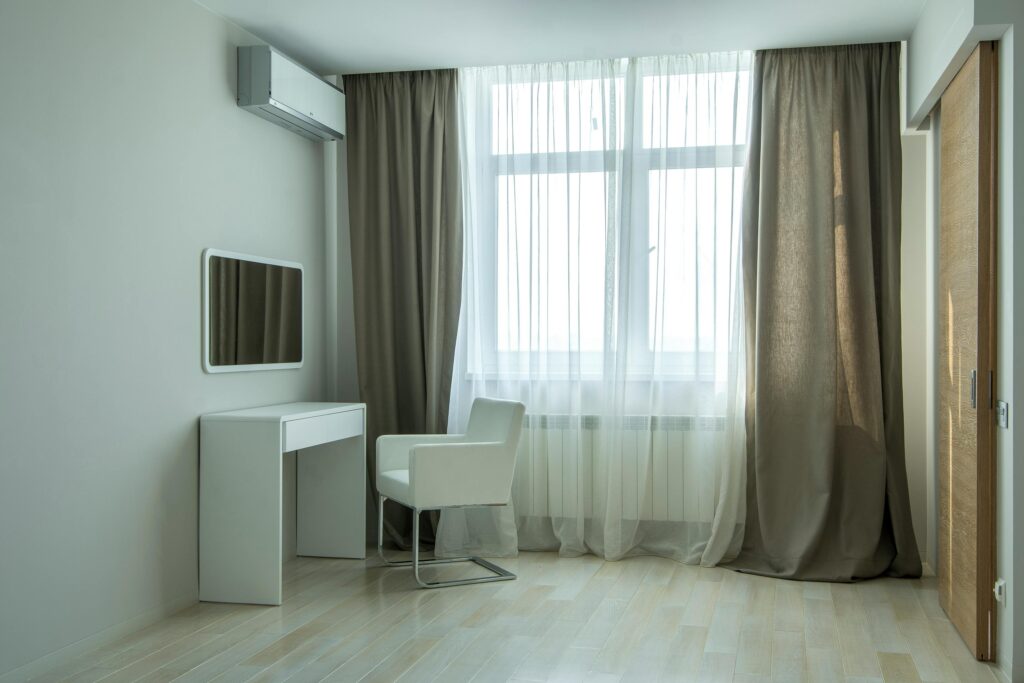
Brisbane summers are no joke. When the mercury creeps past 35°C and the humidity wraps around you like a wet blanket, your air conditioning system becomes less of a luxury and more of a lifeline. Most Brisbane homeowners know this all too well that sinking feeling when the cold air stops flowing on the hottest day of the year.
A quality air conditioning in Brisbane unit is a significant financial investment. Whether you’ve spent $1,500 on a split system or $10,000 on a ducted setup, the last thing you want is an early breakdown caused by something that was completely preventable. That’s where proactive maintenance comes in.
Most people only think about their air con when something goes wrong. The smarter approach, one that saves money and stress, is routine care before problems develop. This guide covers everything you need to know, from simple tasks you can do yourself this weekend to the professional servicing that keeps your system running at its peak.
Why Air Con Maintenance is Non-Negotiable in the Brisbane Climate
Brisbane’s climate is uniquely demanding on air conditioning equipment. Unlike Melbourne or Sydney, where mild seasons give systems a proper rest, Brisbane pushes air cons hard for eight months of the year. That relentless workload has real consequences for system lifespan.
High humidity is the first culprit. Moisture doesn’t just make you feel warmer, it creates the perfect breeding ground for mould and bacteria inside your unit. Left unchecked, mould growth spreads through your ductwork, reduces airflow efficiency, and can trigger serious respiratory issues for your family. The musty smell that occasionally wafts from a neglected air con? That’s mould, and it’s a sign the system needs attention.
For homeowners in bayside or coastal suburbs think Redcliffe, Manly, or Brighton; salt air adds another layer of risk. Salt particles suspended in the ocean breeze settle on your external unit’s condenser coils and fan blades, accelerating corrosion at a rate that inland units never experience. A unit that might last 15 years in Toowoomba could fail years earlier near the bay without proper protective maintenance.
Brisbane’s combination of heat, humidity, and coastal air means your air con is fighting harder than units in most other Australian cities. Regular air con maintenance isn’t optional, it’s the difference between a system that lasts and one that doesn’t.
1. DIY Maintenance Tasks You Can Do Today
You don’t need to be a technician to keep your air conditioning system in good shape. Several simple tasks make a measurable difference and take less than an hour to complete.
Filter Cleaning
Your air filter is the frontline defender against dust, pet hair, and allergens. When it’s clogged, your system has to work harder to push air through which strains the motor and drives up your power bill. Cleaning your filter is the single most impactful DIY task you can do.
Here’s how to do it properly:
• Switch the unit off at the wall before you begin.
• Open the front panel of your indoor unit most models simply lift or clip open.
• Slide the filter out carefully. Hold it over a bin to catch any loose dust.
• Vacuum both sides with a brush attachment, or rinse under lukewarm water if heavily soiled.
• Allow the filter to dry completely in the shade before reinserting and never put a wet filter back in.
• Refit the filter, close the panel, and restart the unit.
External Unit Care
The outdoor condenser unit needs breathing room to function. Walk around yours and check for leaf litter, grass clippings, or weeds that have grown up against the unit. Clear a minimum 60cm of clearance on all sides. Trim back any shrubs, and make sure the top of the unit is completely unobstructed, restricting the fan’s exhaust is one of the quickest ways to cause overheating. A gentle rinse with a garden hose (not a pressure washer) can remove surface dirt from the fins, but always turn the unit off first.
Vents and Registers
Walk through your home and check every supply and return vent. Furniture pushed against a vent, a rug covering a floor register, or a curtain draped over a grille all create pressure imbalances that force your system to work harder. Wipe dust from vent covers with a damp cloth, and confirm every vent in rooms you’re actively cooling is open. Closing vents in unused rooms seems logical but can actually increase pressure in ducted systems and strain the blower motor.
2. Smart Usage Habits to Reduce System Strain
Good habits extend your air conditioning system’s life just as much as physical maintenance. A few simple adjustments to how you use your unit add up to significantly less wear over time.
The “Golden 24” Rule
Many homeowners crank their thermostat down to 18°C hoping the house will cool faster. It won’t. Your air con moves air at the same rate regardless of the temperature setting; the only difference is that a lower setting makes the compressor run longer until it reaches that temperature, or in many cases, never reaches it at all. The motor keeps working and working until something gives. The sweet spot for comfort and efficiency is between 24°C and 26°C. That “Golden 24” zone is where your unit operates most efficiently, and where you’ll see the biggest savings on your electricity bill.
Closing Curtains and Passive Cooling
Every degree of ambient heat your air con doesn’t have to fight is a degree of compressor wear it’s not accumulating. Close blinds and curtains on the western and northern sides of your home before the heat of the day builds. Block draughts under doors. These passive cooling measures reduce the thermal load on your system, meaning it cycles off sooner and rests more often which is exactly what extends its life.
Zoning Your Ducted System
In Brisbane, if you have a ducted air conditioning system with zone controls, use them. There’s no benefit in cooling bedrooms during the day when everyone is in the living areas. Activating only the zones you’re occupying reduces the volume of air the system needs to condition, lowering running time and motor strain considerably. Check your controller’s manual to understand how zone bypass works. Most modern systems manage this automatically, but it’s worth confirming yours is configured correctly.
The Role of Professional Air Conditioning Brisbane Servicing
DIY maintenance takes you a long way, but there’s a ceiling to what a homeowner can safely and effectively do. A licensed technician from Integrated Trade Services works through a comprehensive checklist that goes well beyond filter cleaning, and it’s the things you can’t see that cause the most expensive problems.
Refrigerant levels, for example, are something most people never think about until their unit stops cooling. Low refrigerant is a sign of a leak, not just low gas, and only a licensed technician can legally handle, test, and recharge refrigerant. Running a system with low refrigerant causes the compressor to work under stress, shortening its life and potentially causing permanent damage.
Electrical connections are another area where professional eyes matter. Loose terminals, corroded contacts, and aged wiring don’t just reduce efficiency, they’re fire risks. Integrated Trade Services inspects and tightens electrical components as part of every service, catching issues that would otherwise go unnoticed until a fault occurs.
A professional service also includes a deep clean of the evaporator coil, drainage check, fan belt inspection, and a full performance test. Annual servicing by a qualified technician is the most reliable investment you can make in your air con system’s lifespan.
Identifying Early Warning Signs of System Failure
Knowing what to listen and look for means you can act before a minor issue becomes a major repair. Your system communicates when something is wrong, the key is recognising the signals.
Unusual Noises (Grinding or Squealing)
A healthy air con runs with a consistent, low hum. Grinding sounds typically indicate worn bearings in the fan motor or compressor. Squealing often points to a slipping or deteriorating fan belt. Rattling can mean a loose panel or debris caught in the fan. Any noise that is new or out of the ordinary warrants a call to a technician promptly. These issues rarely improve on their own and usually worsen with continued use.
Persistent Musty Odours (Mould or Bacteria)
A musty or sour smell when your unit starts up is a classic sign of mould or bacteria growing on the evaporator coil or in the drain tray. Brisbane’s humidity makes this particularly common. Do not ignore it or mask it with air freshener. Mould in your air con circulates through your entire home every time the fan runs. A professional coil clean and drain treatment will eliminate the source and restore clean, fresh airflow.
Sudden Spikes in Energy Bills
Your electricity bill is one of the most reliable indicators of air con health. If your bill jumps noticeably without a change in usage habits, your system is working harder than it should to achieve the same result. Dirty coils, low refrigerant, blocked filters, or a failing compressor all cause efficiency losses that show up in your power costs. Catching this early, rather than waiting for a breakdown, is far less expensive to address.
Maximising Your System Lifespan: When to Repair vs. Replace
Even with excellent maintenance, every air conditioning system eventually reaches the end of its useful life. Understanding when a repair makes sense and when replacement is the wiser investment saves you from pouring money into a failing unit.
Most quality split systems and ducted units have a system lifespan of between 10 and 15 years under normal conditions. In coastal Brisbane, where salt corrosion is a factor, the realistic lifespan may sit closer to the lower end without consistent professional servicing. Once a system passes the 10-year mark, the economics of repair versus replacement deserve careful consideration.
A useful rule of thumb is the “50% rule”, if the cost of a repair exceeds 50% of the cost of a new system, replacement usually makes more financial sense. An ageing unit that needs a new compressor, for instance, might cost $1,200 to repair, but a new high efficiency inverter system might cost $2,200 installed and deliver 30 to 40% lower running costs.
Modern inverter technology has transformed air conditioning efficiency. Unlike older fixed speed compressors that are either fully on or fully off, inverter units adjust their output to match the actual cooling demand. This means less energy wasted, quieter operation, and considerably less mechanical wear, all of which translate directly to longer service life.
The Integrated Trade Services team can give you an honest assessment of whether your current unit has years of good service left or whether a new installation would serve you better financially. It’s a conversation worth having before a breakdown forces the decision.
Stay Cool and Save Money with Integrated Trade Services
Keeping your air conditioning in Brisbane running well doesn’t require a lot of effort, but it does require consistency. Clean your filters every one to three months. Clear debris from your outdoor unit. Use your thermostat sensibly. Watch for the early warning signs. And schedule a professional service at least once a year, ideally before the Brisbane summer season kicks in.
The rewards are real; lower electricity bills, cleaner air inside your home, fewer unexpected breakdowns, and a system lifespan that reaches its full potential rather than falling short. Good air con maintenance pays for itself many times over.
Don’t wait for a breakdown. Book your Brisbane air con maintenance check with Integrated Trade Services today and keep your home cool and comfortable all year round.
Frequently Asked Questions (FAQs)
How often should I clean my air conditioner filters in Brisbane?
In Brisbane’s humid climate, we recommend cleaning filters every 1 to 3 months. If you have pets or allergies, once a month is ideal to ensure optimal airflow and air quality.
What is the average system lifespan of a Brisbane air conditioner?
Most high-quality units last between 10 to 15 years. However, in coastal Brisbane areas, salt spray can shorten this. Regular professional servicing can extend this lifespan significantly.
Why is my air con blowing warm air?
This could be due to a dirty filter, a refrigerant leak, or a failing compressor. It’s best to turn the unit off and call a technician to prevent further damage.
Can regular air con maintenance really lower my electricity bills?
Yes. A well-maintained system runs more efficiently, meaning it uses less power to reach your desired temperature. Even a 10% loss in efficiency due to dirt can noticeably increase your monthly bill.