
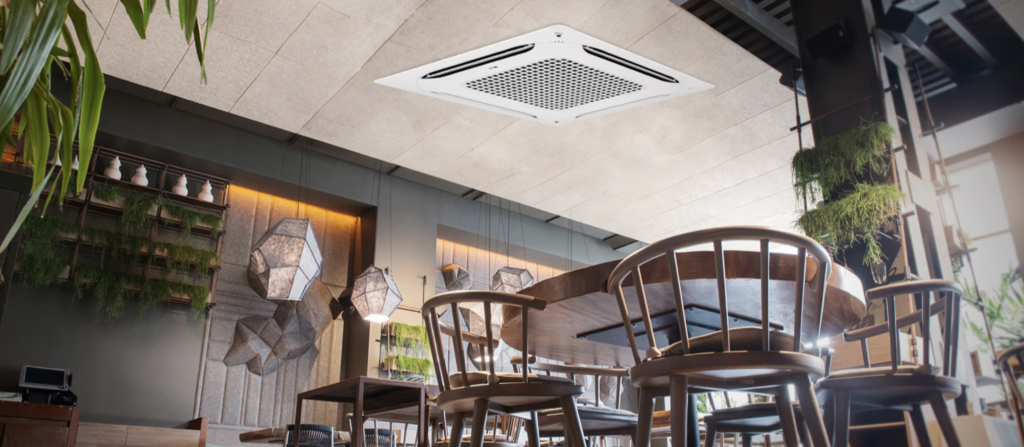
Most Brisbane business owners don’t think about their commercial air con until something stops working. That’s understandable, but it’s also expensive. A system failure during a Brisbane summer doesn’t just mean discomfort. It means lost productivity, frustrated staff, unhappy customers, and an emergency call-out bill that dwarfs the cost of a routine service.
This checklist gives facility managers, operations teams, and business owners a practical, seasonal maintenance framework built specifically for Brisbane’s climate. Integrated Trade Services has extensive experience servicing commercial air conditioning in Brisbane, from body corporates and office buildings to retail premises and industrial facilities. Here’s what a proper maintenance schedule actually looks like.
#1 - Why Commercial AC Maintenance Is Non-Negotiable
“Why Regular Commercial Air Conditioning Maintenance Is a Business Imperative in Brisbane”
Before the checklist, it’s worth understanding why proactive maintenance matters, particularly in a Brisbane commercial context.
The True Cost of a Commercial AC Breakdown in Brisbane
Emergency call-out rates run significantly higher than scheduled servicing. Parts for commercial systems can take days to source. And while repairs are underway, your team is working in conditions that directly affect output and morale.
For hospitality venues, healthcare facilities, and retail businesses, a failed business air con system can trigger compliance issues or force temporary closure. The cost of a single unplanned breakdown including lost trading, emergency labour, and expedited parts often exceeds an entire year of preventative maintenance.
How Brisbane's Climate Puts Commercial Systems Under Exceptional Stress
Brisbane’s subtropical climate is genuinely demanding on commercial HVAC systems. Extended high-load cooling seasons run from October through April. High ambient humidity accelerates biological growth inside ductwork and coils. Intense UV exposure degrades outdoor components faster than in cooler climates.
Add Brisbane’s storm season which brings debris, moisture, and power surge risks, and you have conditions that deteriorate commercial equipment significantly faster than national maintenance averages account for.
Compliance and Duty of Care: What Brisbane Employers Need to Know
Under Queensland’s Work Health and Safety Act 2011, employers must provide a safe working environment and thermal comfort falls within that obligation. An overheated or poorly ventilated workspace can constitute a WHS risk.
For premises operating under food safety legislation, healthcare standards, or specific industry regulations, AC performance may be a direct compliance requirement – not just a comfort consideration.
What 'Reactive Maintenance' Really Costs vs. Planned Servicing
Emergency repairs carry premium labour rates, parts availability delays, and the compounding cost of small faults that grow into major failures. Running a degraded system for months before intervention also carries an ongoing energy efficiency penalty.
Planned servicing is an investment. Reactive repair is an avoidable expense.
#2 - Understanding Your Commercial System
Know Your System: Types of Commercial Air Conditioning in Brisbane and Their Maintenance Needs
Different system types carry different maintenance requirements. Understanding yours helps you apply the checklist correctly.
Ducted Central Systems: High Capacity, High Maintenance Complexity
Large ducted systems require attention across multiple components: ductwork integrity, zone damper function, air handling unit servicing, coil cleaning, drain pan inspection, and air balancing. A single point of failure in these systems can affect an entire building level – making regular inspection critical for commercial air conditioning in Brisbane.
Multi-Split and VRF/VRV Systems: Flexibility With Layered Complexity
Variable Refrigerant Flow systems offer individual zone control but involve complex refrigerant pipework serving multiple indoor units. Each indoor unit requires individual attention, alongside the central refrigeration circuit. Fault diagnosis requires specialist knowledge not every technician carries the necessary competency or equipment.
Rooftop Package Units: The Workhorse of Brisbane Commercial Buildings
Rooftop-mounted units face Brisbane’s full UV, rain, and storm exposure year-round. Maintenance must account for access challenges, weatherproofing of electrical connections, and accelerated degradation of outdoor-exposed components. These units need specialist attention from a team experienced with elevated commercial equipment.
Split Systems in Commercial Settings: Don't Let Simplicity Create Complacency
Multiple commercial-grade splits across a premises each require individual maintenance. Higher daily run hours and greater airborne contaminant loads in commercial environments mean these units deteriorate faster than their residential equivalents and the cumulative impact of neglecting several simultaneously is significant.
#3 - The Seasonal Maintenance Checklist
“The Complete Seasonal Commercial Air Conditioning Maintenance Checklist for Brisbane Businesses”
Brisbane’s AC year is divided into two primary seasons: the cooling-dominant wet season (October-April) and the milder dry season (May-September). Structure your maintenance around these periods.
Pre-Summer Checklist (September-October): Preparing for Peak Load Season
This is the most critical maintenance window of the year. Your system is about to face its heaviest sustained demand. Cover the following before October arrives:
- Full filter clean or replacement across all indoor units
- Coil inspection – chemical clean if required
- Condensate drain line flush and inspection
- Refrigerant level check by a licensed technician
- Outdoor unit clearance and condition check
- Electrical connection and capacitor inspection
- Thermostat and BMS calibration
- Zone damper operation test (ducted systems)
- Full cooling test run with performance benchmarked and recorded
- Review of previous service records for recurring issues
Each of these steps has a reason. Blocked filters restrict airflow and force the system to work harder. Low refrigerant degrades cooling capacity. Uncleared condensate drains cause water damage during humid summer months. Don’t skip the benchmark recording, it gives you a baseline to compare against mid-season.
Mid-Summer Check (January-February): Monitoring Under Peak Load
This isn’t a full service, it’s a performance verification. Commercial environments generate significantly more airborne contaminants than residential settings, so filters may need attention within six to eight weeks of the pre-summer service.
Check condensate drains for blockages, which are common during high-humidity months. Monitor for unusual noises or performance drops. After any major storm event, do a brief visual check of outdoor units for debris or physical damage.
Finding an emerging issue in January costs a fraction of what an emergency breakdown costs in February.
Post-Summer / Pre-Dry Season Checklist (April-May): Recovery and Reconfiguration
After the peak cooling season, your system needs assessment before transitioning to the cooler months. Work through the following:
- Filter replacement after extended high-use period
- Coil inspection for biological growth; summer humidity encourages mould
- Condensate system check and clear
- Heating mode test for reverse cycle systems identify reversing valve issues now, not in June
- Ductwork inspection for condensation-related damage
- Outdoor unit post-storm season inspection
- Energy consumption review against the pre-summer benchmark
That last point matters. If your system used significantly more energy than the benchmark, something degraded during summer and it needs attention before it worsens.
Mid-Year Dry Season Check (July-August): Heating Performance and System Health
Brisbane’s winters are mild, but commercial HVAC systems still require monitoring. Verify heating mode performance, inspect filters (dust accumulation continues year-round), and review zone controller settings for seasonal reconfiguration.
Use this quieter period productively. Inspect rooftop and outdoor components for UV and weather wear. Address any deferred repairs. And book your pre-summer service now – September and October fill quickly, and businesses that leave it late often can’t get a technician when they need one most.
Annual Deep Service Tasks: What Must Be Done Once a Year by a Licensed Technician
Some tasks require a licensed commercial air conditioning technician not just for quality, but legally. These include:
- Refrigerant level check and top-up (requires EPA-accredited handling licence)
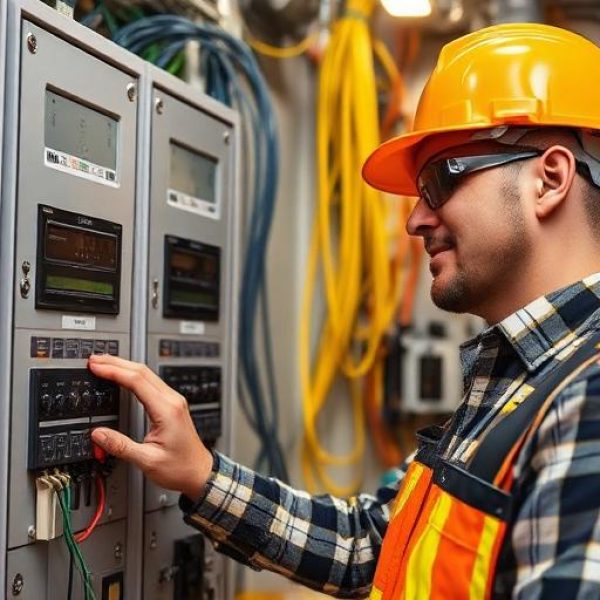
- Electrical safety inspection of all components
- Full coil chemical clean
- Condensate system sterilisation
- Ductwork inspection and integrity test
- BMS integration check and calibration
- Written performance report and compliance documentation
The annual deep service is the foundation. Everything else builds on it.
#4 - What Your Facilities Team Can Do vs. What Requires a Pro
“ In-House AC Maintenance Tasks vs. When to Call a Commercial Air Conditioning Specialist”
Knowing where the boundary sits between in-house tasks and licensed work protects your team and your equipment.
Safe In-House Maintenance Tasks for Commercial Premises
Facilities staff can safely handle the following without trade qualifications:
- Filter removal, cleaning, and reinsertion
- Clearing debris from around outdoor units
- Wiping down indoor unit casings
- Checking and clearing accessible condensate drain outlets
- Monitoring and recording performance metrics
- Visual inspection of accessible ductwork
- Logging fault codes and unusual behaviour for the technician
Consistent in-house monitoring is genuinely valuable. Good records help technicians identify trends and diagnose faults faster which reduces labour time and costs.
Tasks That Must Be Performed by a Licensed Commercial HVAC Technician
The following require licensed professionals both legally and for safety:
- Refrigerant handling and testing (EPA accreditation required)
- Electrical component inspection, testing, and replacement
- Coil chemical cleaning with commercial-grade solutions
- BMS integration and calibration
- Ductwork pressure testing and sealing
- Capacitor and contactor replacement
- Compressor diagnostics
- Any rooftop work requiring height safety procedures
For a business air con service that covers both electrical and refrigeration scope, choose a contractor who holds both licences in-house. It eliminates coordination gaps and accountability disputes.
Building a Simple AC Log for Your Brisbane Business Premises
A basic performance log pays dividends. Record the following monthly: unit ID, filter condition, any unusual noises or smells, energy consumption readings, and fault codes observed.
A simple template: Date | Unit ID | Filter Condition | Performance Notes | Action Taken.
This log becomes invaluable during technician visits, shortens diagnosis time, and serves as a compliance record if questions arise later.
#5 - Energy Efficiency and Cost Management
“How Regular Maintenance Reduces Commercial Air Conditioning Running Costs in Brisbane”
Maintenance isn’t just an equipment decision, it’s an energy management decision.
The Efficiency Penalty of a Poorly Maintained Commercial AC System
A commercial system running with blocked filters, fouled coils, or low refrigerant can consume 20-30% more electricity than a well-maintained equivalent while delivering inferior performance. In Brisbane’s long cooling season, that efficiency penalty compounds into thousands of dollars annually across commercial premises.
Regular servicing is one of the most direct energy cost management actions any Brisbane business can take.
Smart Scheduling and Zoning to Reduce Unnecessary Load
Programme HVAC schedules to match actual occupancy hours rather than running all day by default. Use zone control to condition only occupied areas. Set appropriate commercial comfort temperatures typically 23-25°C for cooling. Review after-hours operation settings regularly.
These operational steps deliver measurable cost reductions alongside a well-maintained system.
When to Consider Upgrading Older Commercial Equipment for Energy Savings
Systems older than 10-12 years may no longer justify repair costs relative to the energy savings available from modern inverter-driven commercial refrigeration and HVAC equipment. Key indicators that an upgrade conversion is warranted include increasing repair frequency, inability to maintain set temperatures under peak load, and refrigerants being phased out under Australian environmental regulations, R22 systems in particular.
Integrated Trade Services can assess whether your current system is worth maintaining or whether a replacement represents better long-term value.
#6 - Choosing the Right Commercial AC Service Partner in Brisbane
“What to Look for in a Commercial Air Conditioning Service Company in Brisbane”
Key Credentials to Verify Before Engaging a Commercial HVAC Company
Before signing any service agreement, verify the following:
- Current QBCC Electrical Contractor licence
- Refrigeration and Air Conditioning Mechanic licence
- EPA refrigerant handling accreditation
- Public liability and professional indemnity insurance
- Demonstrated experience with commercial systems at the relevant scale
- Written service reports and compliance documentation provided after every visit
Search the QBCC public register online to verify licence status, it’s free and takes under a minute.
Why a Dual-Licensed Company Matters Even More in Commercial Settings
Commercial systems are more complex, electrical components are more substantial, and the consequences of poorly coordinated work are magnified. A single company holding both refrigeration and electrical licences means faster fault diagnosis, fewer site visits, single-point accountability, and streamlined compliance documentation.
That’s the standard commercial operators should expect and what ITS delivers on every job.
Planned Maintenance Agreements: Why Brisbane Businesses Should Consider One
A planned maintenance agreement (PMA) locks in a pre-agreed servicing schedule at a fixed annual cost. Benefits include predictable maintenance budgeting, priority scheduling during the September–October rush, consistent service history documentation, and preferential rates on any additional repairs.
For any business where AC failure would cause significant operational disruption, a PMA is the logical next step from ad-hoc servicing.
Ready to Put Your Brisbane Business’s Commercial AC on a Proper Maintenance Schedule?
Brisbane's Commercial Air Conditioning and Electrical Specialists
Running a commercial air conditioning system in Brisbane without a structured maintenance plan isn’t a saving, it’s a liability. The ITS team works with body corporates, facility managers, retail operators, office buildings, and industrial premises across Brisbane northside and surrounding suburbs.
Dual-licensed in both electrical and refrigeration, every service visit includes full compliance documentation as standard. No subcontracting, no coordination gaps, no surprises on the invoice.
Get in touch today for a free assessment and quote. Let’s build a maintenance schedule that actually fits your premises and your business.
Frequently Asked Questions: Commercial Air Conditioning Maintenance in Brisbane
How often should commercial air conditioning be serviced in Brisbane?
At minimum, annually but most Brisbane commercial premises benefit from a pre-summer service (September–October), a mid-summer filter check (January–February), and a post-summer assessment (April–May). High-use environments such as gyms, hospitality venues, and healthcare facilities may require quarterly professional servicing.
What's included in a commercial air conditioning service?
A comprehensive service covers filter cleaning or replacement, coil inspection and chemical clean where required, condensate drain flush, refrigerant level check, electrical component inspection, thermostat and controls calibration, ductwork visual inspection, outdoor unit condition check, and a written performance report.
How do I know if my commercial AC system needs repairs rather than just a service?
Watch for a significant drop in heating or cooling output that persists after filter cleaning, unusual noises from indoor or outdoor units, persistent error codes, ice on the outdoor unit, water leaks from indoor units, or a system that short-cycles. Book a diagnostic visit rather than waiting for the next scheduled service.
Can my facilities team do any AC maintenance themselves?
Yes filter cleaning, debris clearing, casing wipe-downs, accessible condensate drain checks, and performance logging are all safe for facilities staff. Anything involving refrigerant, electrical components, coil chemical cleaning, or BMS work requires a licensed commercial HVAC technician.
What commercial air conditioning brands does ITS service in Brisbane?
ITS services all major commercial HVAC brands in the Brisbane market including Daikin, Mitsubishi Electric, Fujitsu, ActronAir, Toshiba, LG, and Samsung commercial ranges across ducted central, VRF/VRV, rooftop package, and multi-split configurations.
How much does a commercial air conditioning service cost in Brisbane?
Costs vary based on system type, number of units, access requirements, and the scope of work. ITS provides transparent, itemised quotes before any work commences. Contact us for a free assessment tailored to your premises.
What is a planned maintenance agreement and is it worth it for my business?
A planned maintenance agreement is a pre-agreed servicing schedule at a fixed annual cost. It delivers predictable budgeting, priority scheduling during peak periods, consistent compliance documentation, and typically a lower total cost than ad-hoc servicing. It’s particularly valuable for businesses where AC failure would cause significant operational disruption.
Does commercial air conditioning maintenance affect my energy bills?
Significantly. A poorly maintained system can consume 20–30% more electricity than a well-serviced equivalent. Blocked filters, fouled coils, low refrigerant, and degraded electrical components all reduce efficiency and increase running costs particularly across Brisbane’s long cooling season.
Is commercial air conditioning maintenance a tax deduction for Brisbane businesses?
In most cases, routine maintenance and servicing of commercial equipment is deductible as an operational business expense in Australia. Capital works such as new system installations may be treated differently. Confirm the specific treatment with your accountant, as individual circumstances and ATO guidelines apply.